
Our Mission

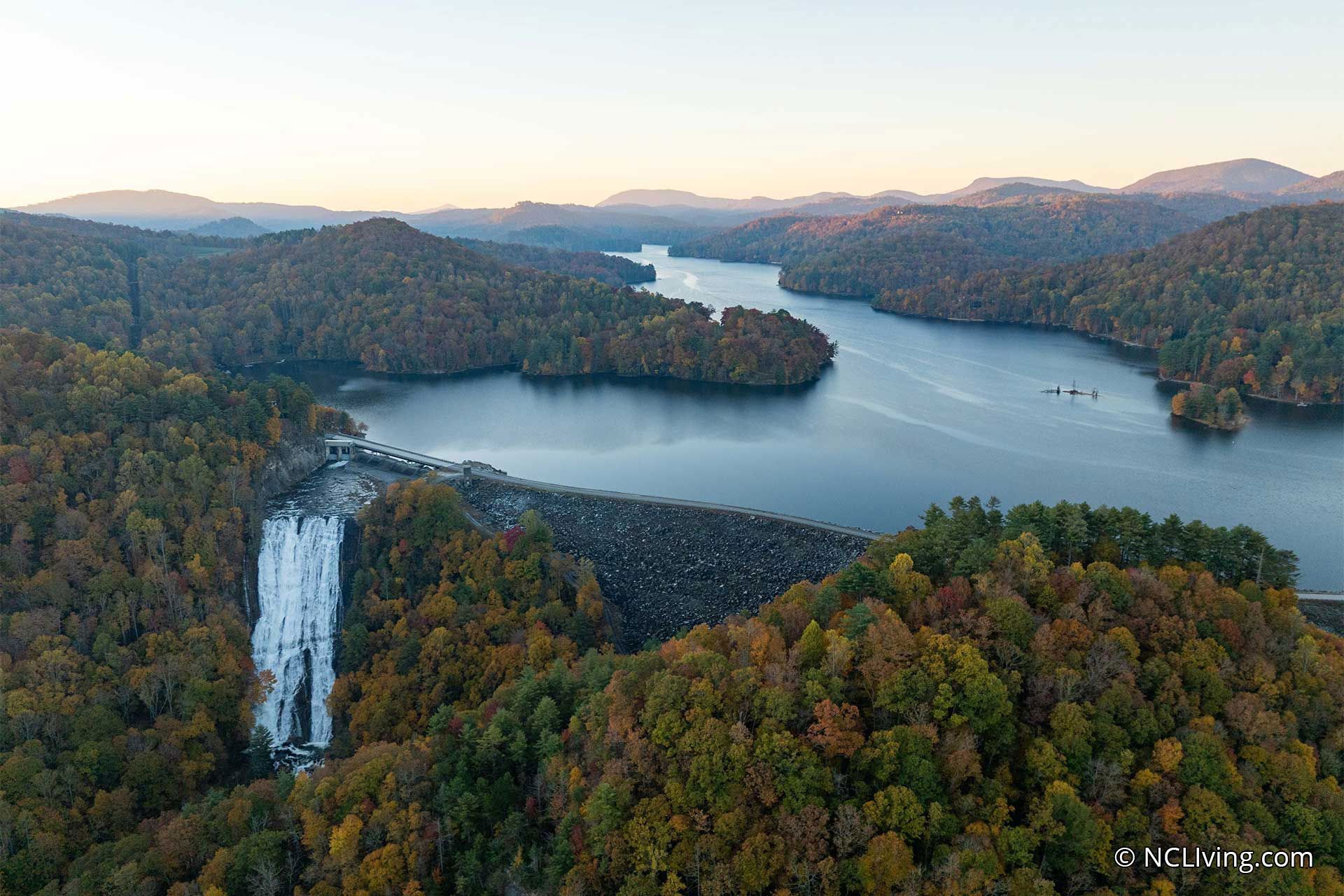
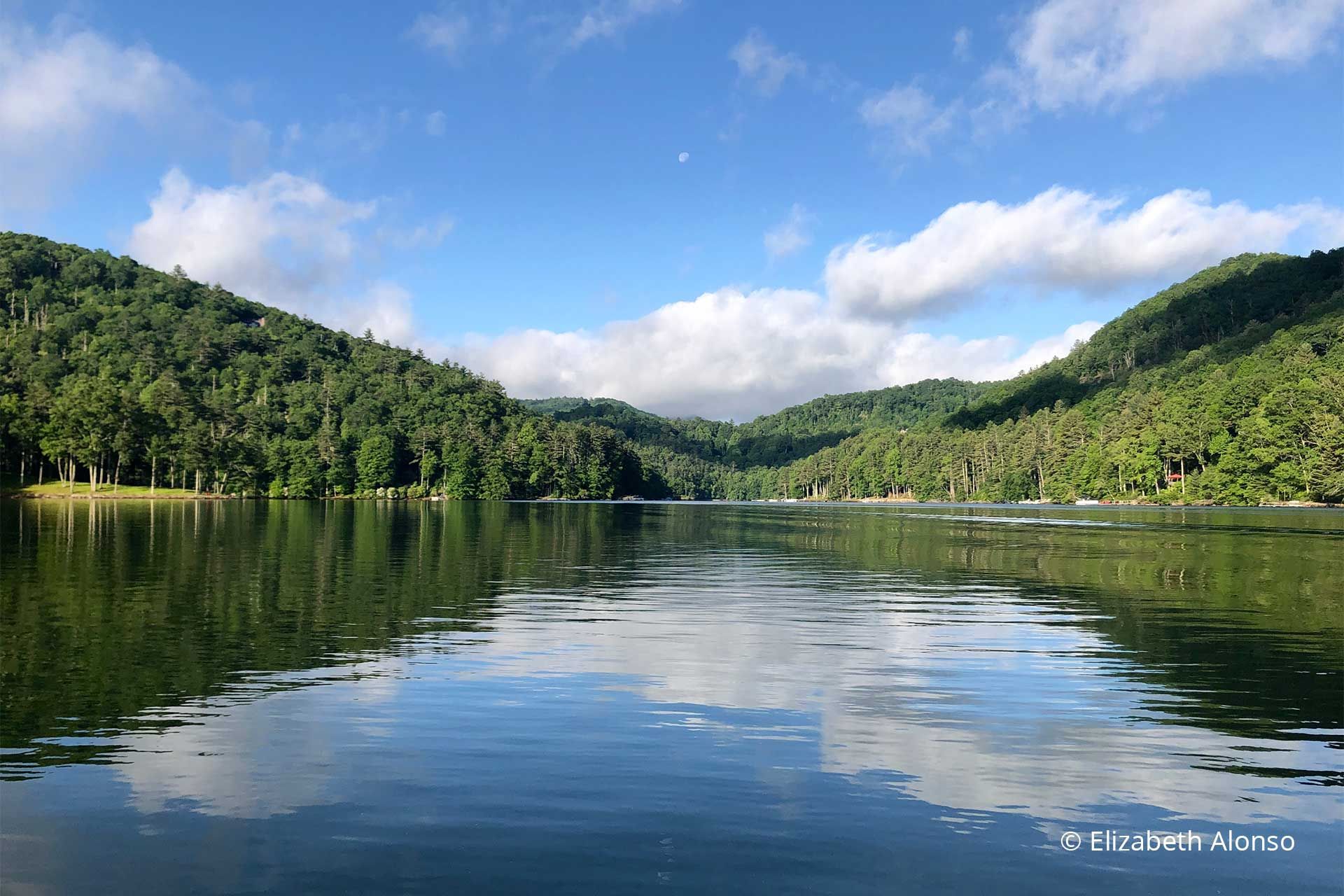
Friends of Lake Glenville's mission is to preserve and protect Lake Glenville for future generations

Learn More

Water Quality & Testing

Our professional and credible water testing program allows us to effectively manage, educate, and enforce good watershed management

Learn More

Awareness, Education & Mitigation

These strategies help protect against invasive aquatic species that could threaten the ecological balance of our lake

Learn More

Photos Courtesy of NCLiving.com, Chris Warren, and Elizabeth Alonso       

What's New in 2026

New Website, Member Portal, and More


Our members, donors, sponsors, and volunteers are the lifeline of our organization and the work we do. That's why we've spent the last year looking into ways to streamline and improve both our internal systems and the user experience for you all. We hope you enjoy the new look and our new features, but if you have any questions or concerns, please don't hesitate to contact us: flg@friendsoflakeglenville.com.


UPCOMING EVENTS

Members Only

Annual Members Meeting


Saturday, July 18, 2026; 10:00am - 12:30pm

Glenville Community Center

Members & Their Guests: Save the Date!

Season Closer @ Slopeside Tavern


Saturday, September 12, 2026; 5:30 - 8:00pm

Slopeside Tavern @ Sapphire Valley
More details to come

Latest News

By Malice Grant July 9, 2026
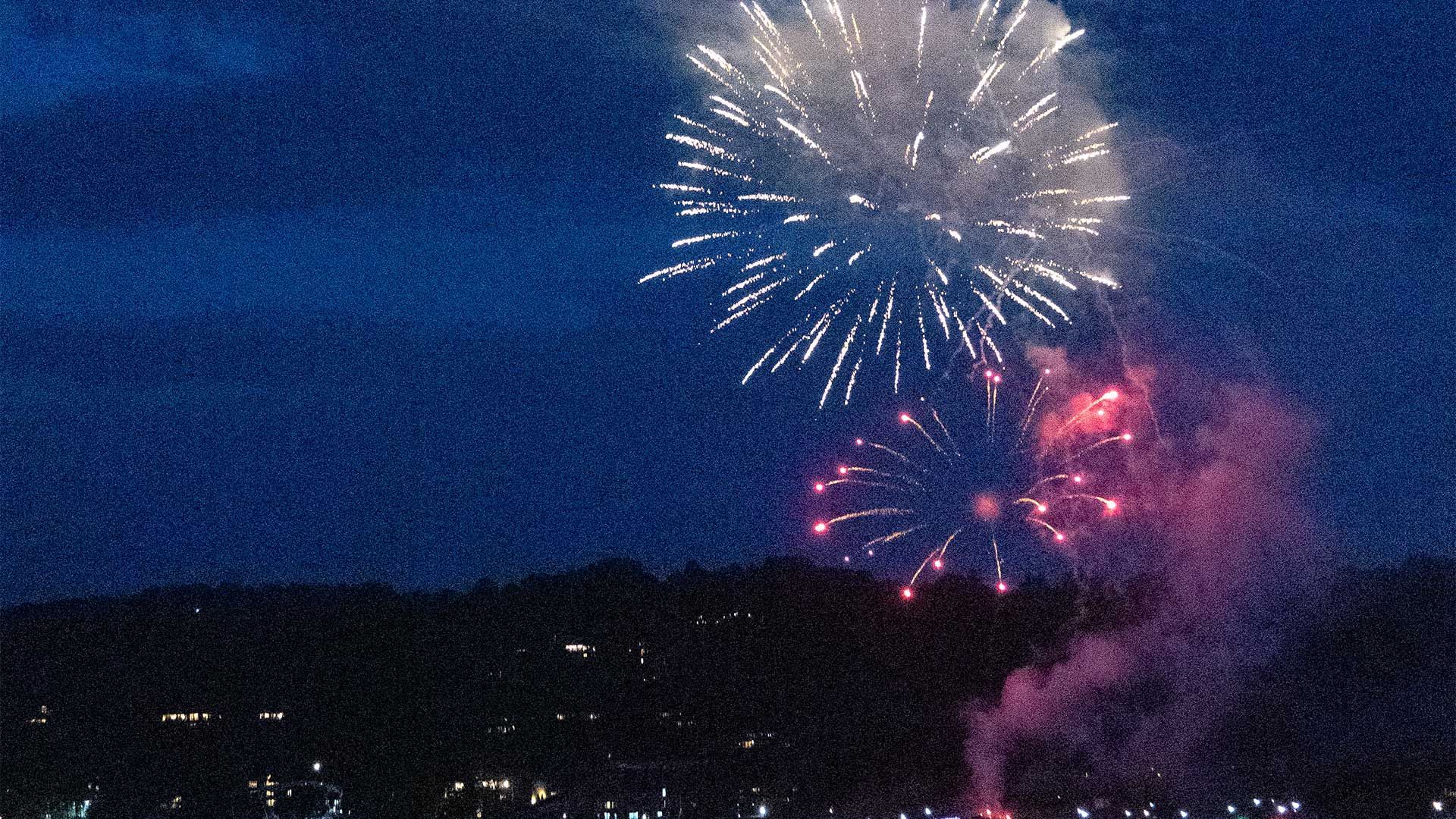
A Fun Night of Fireworks & a Parade!
May 13, 2026
Meet This Year's Winners
May 6, 2026
Water quality samples were collected from Lake Glenville at seven (7) locations. Five of the locations are in coves near the outlet of major streams within the watershed: Mill Creek, Hurricane Creek, Norton Creek, Cedar Creek, Glenville Creek, and Pine Creek. The seventh location is known as “Thalweg”. Thalweg is of German origin and literally means valley way. In fluvial geomorphology, the thalweg is the line of lowest elevation within a valley or watercourse. The aforementioned creeks are also routinely sampled for a suite of water quality parameters, increasing the knowledge and understanding of the specific issues of the watershed, such as identifying potential sources of pollutants which may be degrading water quality. Samples were analyzed for water temperature, dissolved oxygen (DO), pH, specific conductivity, turbidity, Ammonia-Nitrogen (NH3+), Nitrate/Nitrite-Nitrogen (NO3-/NO2-), Total Phosphorus (TP), blue green algae-phycocyanin, and Chlorophyll-a. All water quality samples collected for analysis of Phosphorous and Nitrogen were collected from the upper two (2) meters of the lake using a depth integrated water sampler. Other parameters were measured using an In-Situ Aqua Troll 800 multiparameter sonde.