
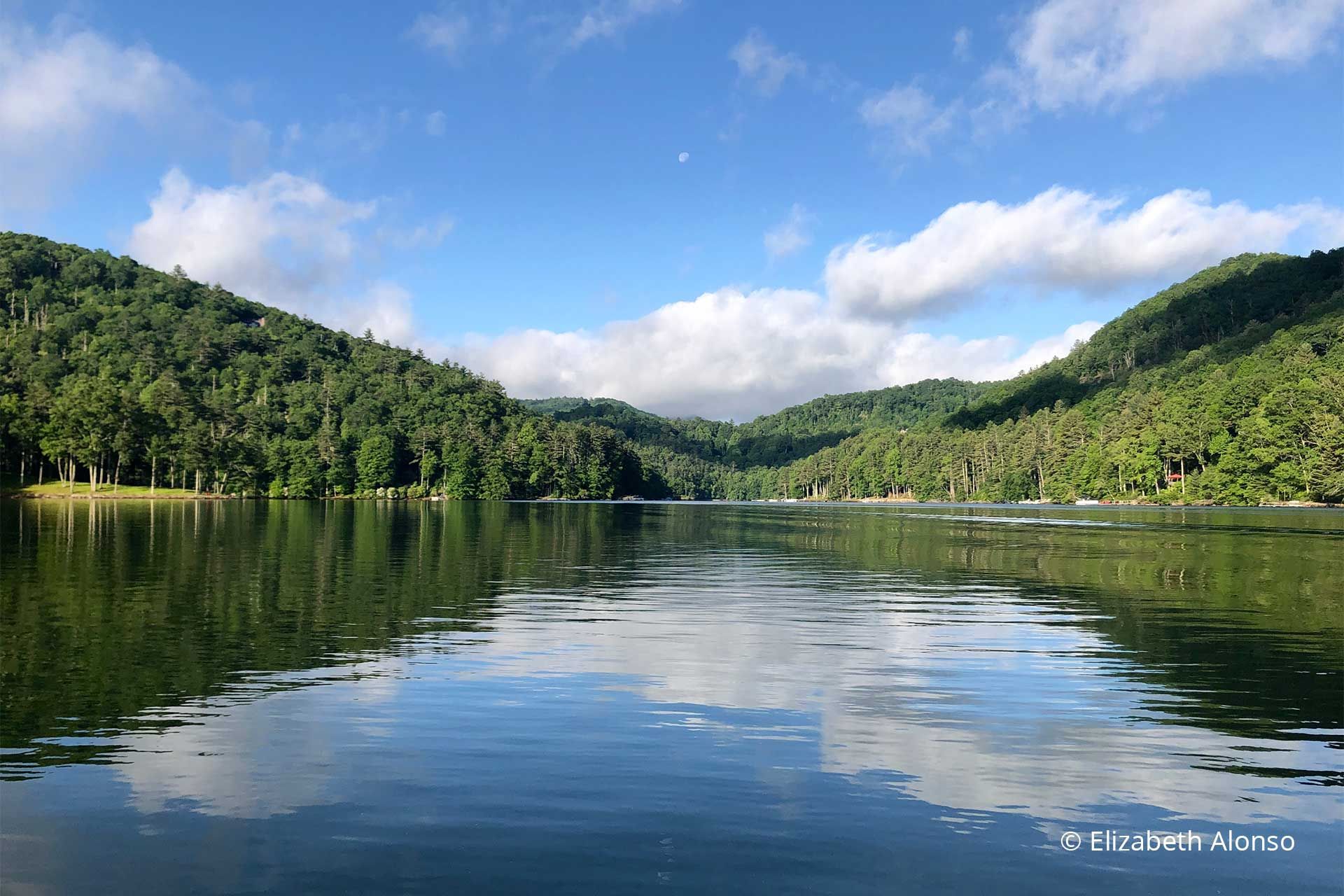
Water quality sampling occurred at six sites within the Lake Glenville watershed on 06/02/26. All sites were located as close as possible to sites sampled in previou s monitoring years; the location for the Glenville Creek sample was again sampled downstream at its standard location. A very light rain had occurred in the early morning prior to sampling on 06/02/25, the area received 0.55 inches of rain on 05/27/25 but none in the preceding days from 05/28/26 – 06/01/26 (Figure 1). Stream flows were normal base flow. The suite of parameters sampled included water temperature, dissolved oxygen (DO), pH, specific conductivity, turbidity, fecal coliform, E.coli, ammonia, nitrite/nitrate, phosphate, and alkalinity.
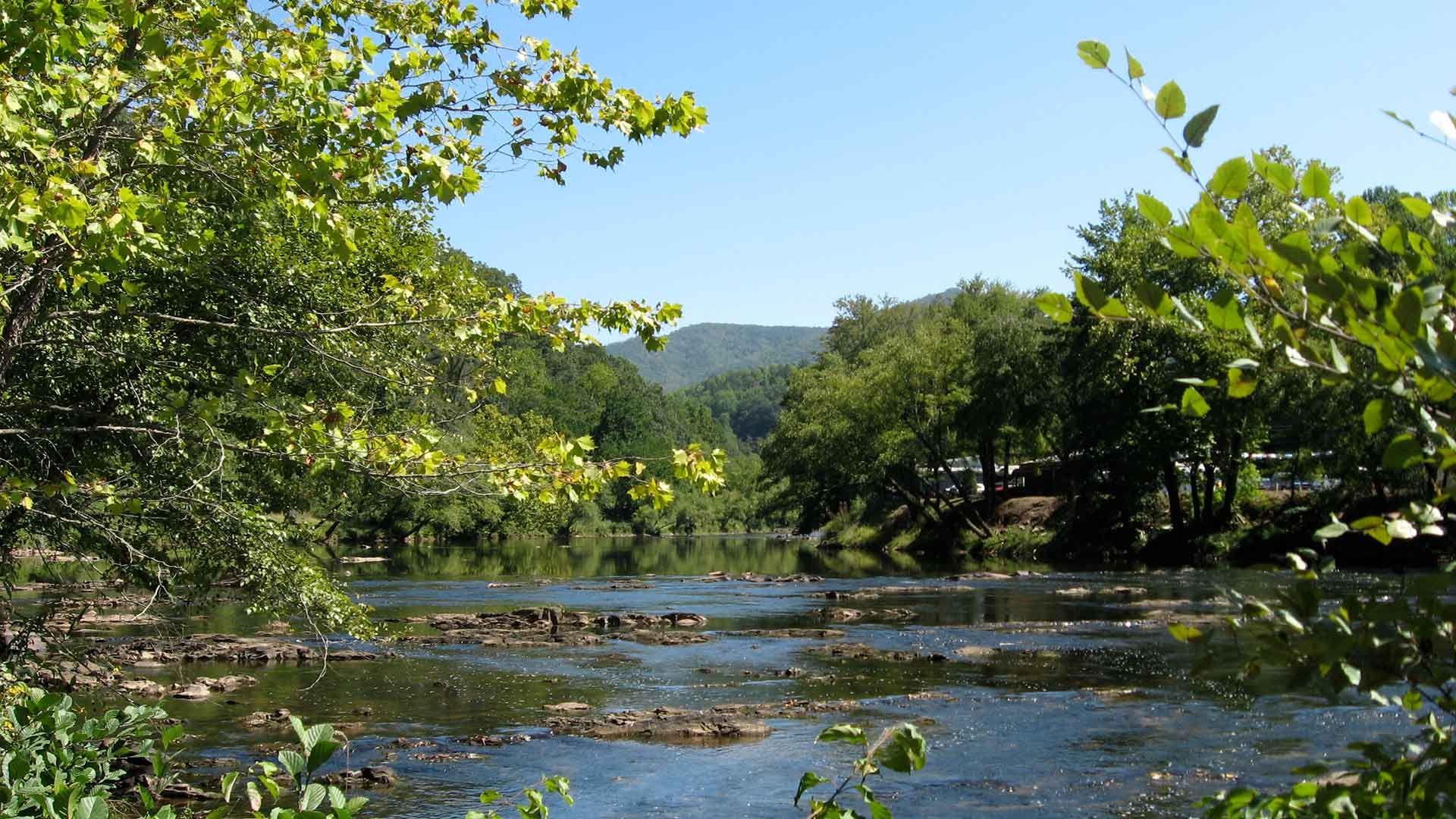
Please read below for an update regarding drought conditions in our area
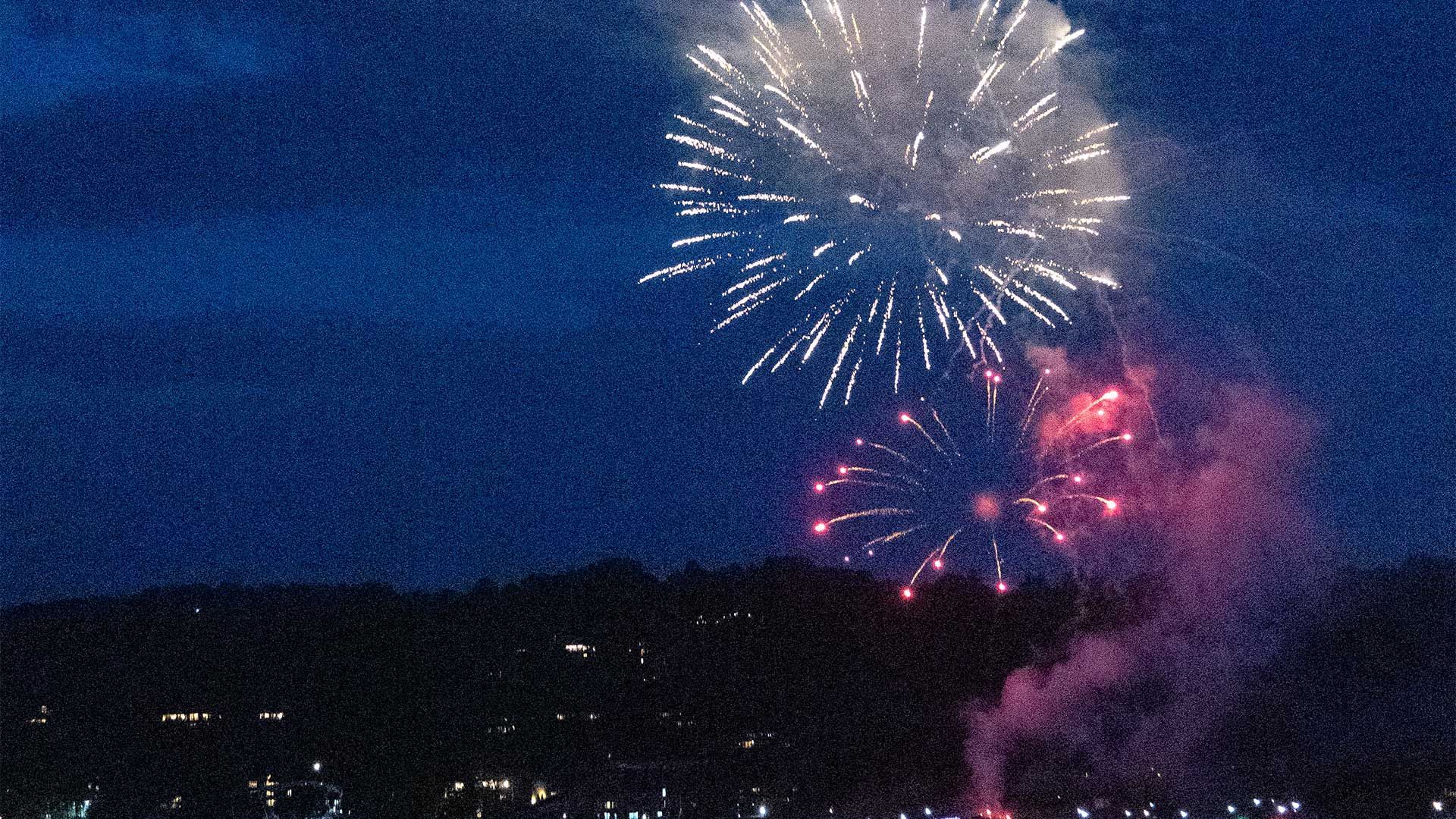
A Fun Night of Fireworks & a Parade!

Meet This Year's Winners
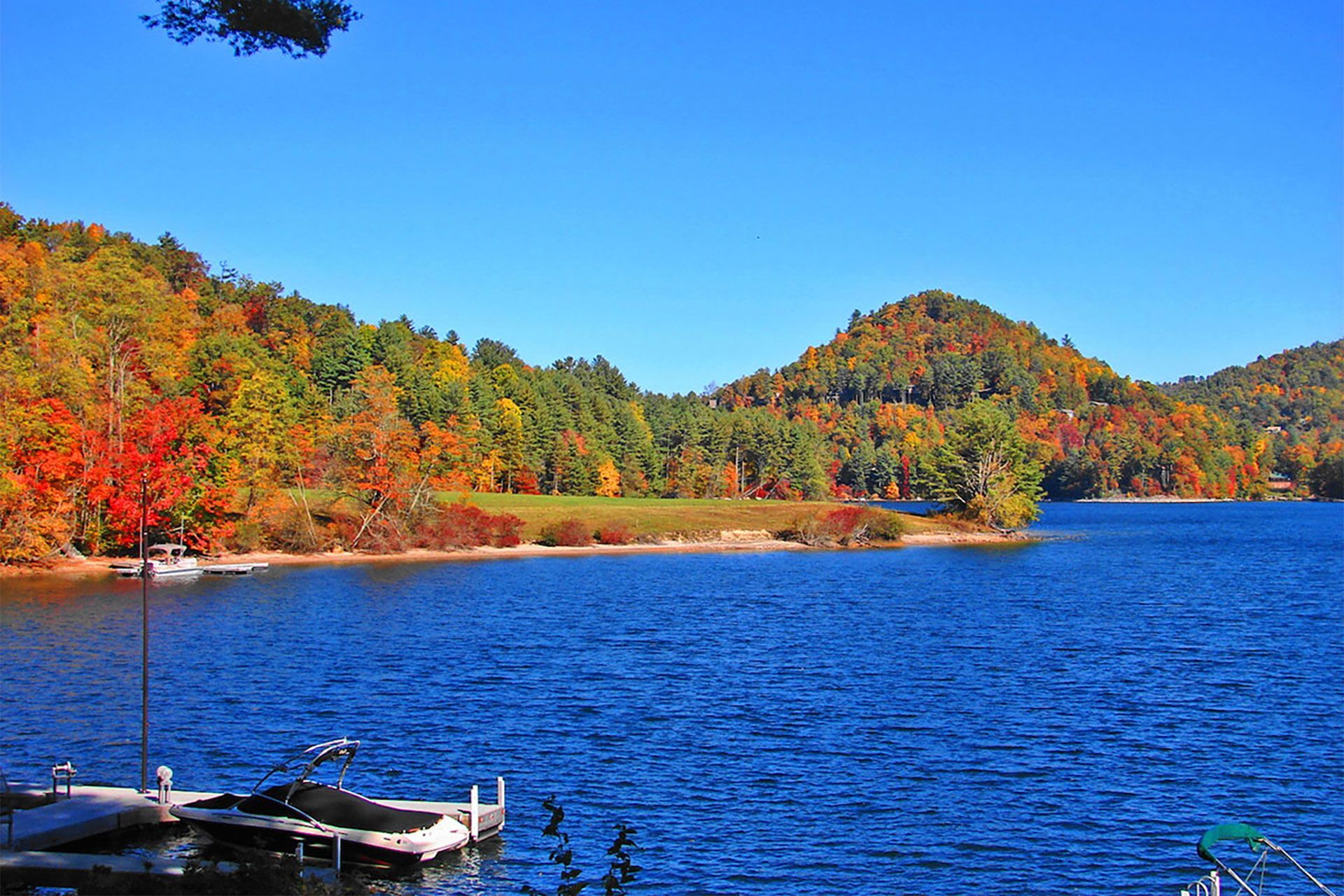
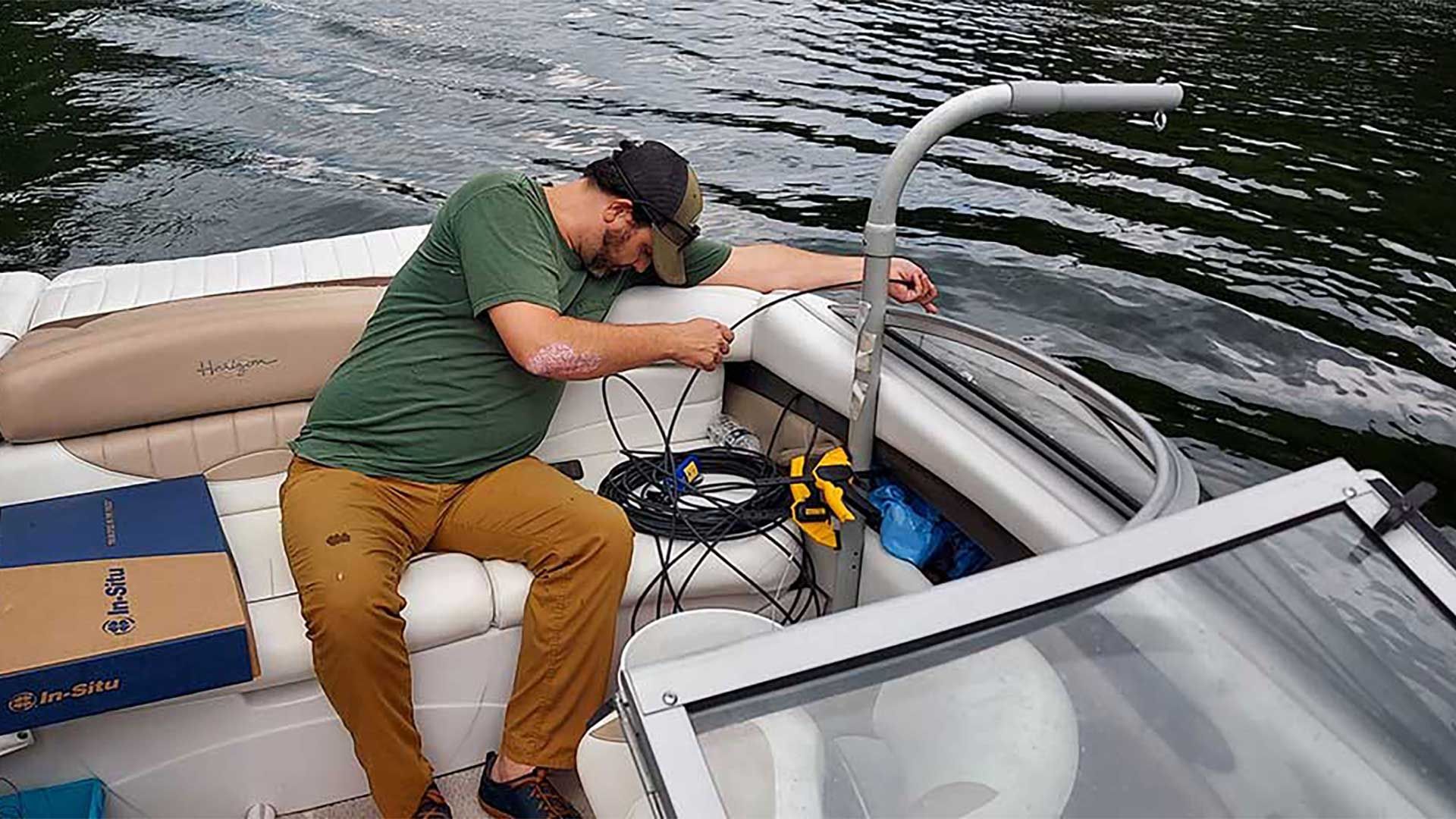
Water quality samples were collected from Lake Glenville at seven (7) locations. Five of the locations are in coves near the outlet of major streams within the watershed: Mill Creek, Hurricane Creek, Norton Creek, Cedar Creek, Glenville Creek, and Pine Creek. The seventh location is known as “Thalweg”. Thalweg is of German origin and literally means valley way. In fluvial geomorphology, the thalweg is the line of lowest elevation within a valley or watercourse. The aforementioned creeks are also routinely sampled for a suite of water quality parameters, increasing the knowledge and understanding of the specific issues of the watershed, such as identifying potential sources of pollutants which may be degrading water quality. Samples were analyzed for water temperature, dissolved oxygen (DO), pH, specific conductivity, turbidity, Ammonia-Nitrogen (NH3+), Nitrate/Nitrite-Nitrogen (NO3-/NO2-), Total Phosphorus (TP), blue green algae-phycocyanin, and Chlorophyll-a. All water quality samples collected for analysis of Phosphorous and Nitrogen were collected from the upper two (2) meters of the lake using a depth integrated water sampler. Other parameters were measured using an In-Situ Aqua Troll 800 multiparameter sonde.
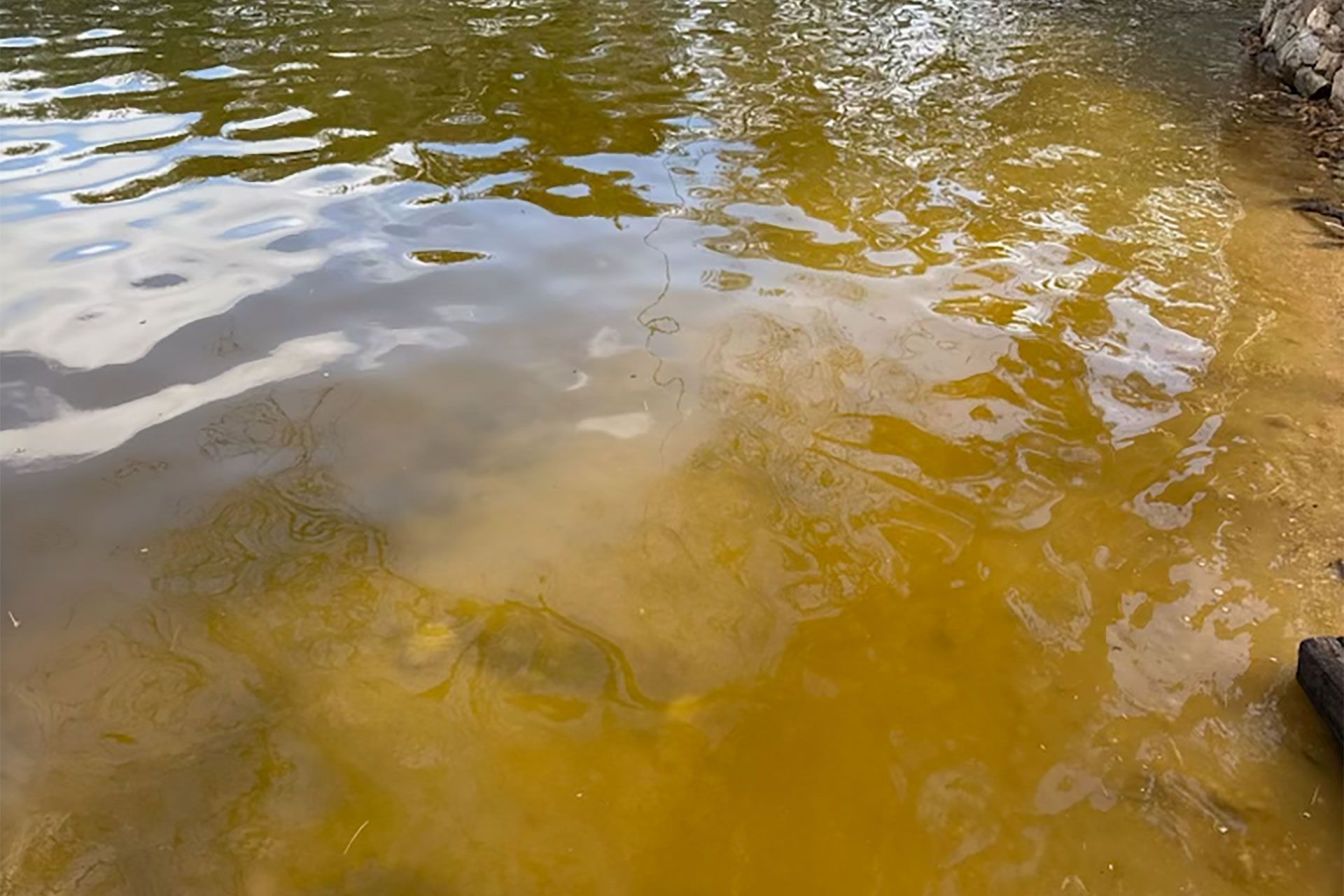
That smell? Some of us old enough to remember the '70s song by the Southern rock band Lynyrd Skynard may have recently been wondering if it applies to Lake Glenville. Starting just after March 15th, we started seeing signs that the Lake was going to have a more significant "turnover" than we have seen in years. On Saturday, April 4th, we saw it (very turbid water in undisturbed areas) and smelled it (decomposing plant material) as the Lake did a rapid turnover, basically bringing water and material from the bottom to the top, and vice versa. What's Turnover? This handy article by Nathan Wissenbach of the New York Rural Water Association does a good job of explaining it, but in short: lake turnover is a natural phenomenon that occurs during winter and spring in which the lake's layers are rapidly mixed due to rapid temperature changes. In the case of Lake Glenville, the causes are the ongoing drought in the area and because of reduced cold-stream flow into the Lake caused by the drought, a relatively quick change in temperature at the surface. The majority of the effects should dissipate within 48 hours and be completely gone in less than 2 weeks. Thank you, David Feist Director of Water Quality Friends of Lake Glenville Photo courtesy of FLG Board member, Tom Albert.
Test Results from Six Sites in the Lake Glenville Watershed
New Website, Member Pages & More
Guiding FLG Toward a Proactive Future
New Grant Provides Philanthropic Support to FLG's Mission