
Quarterly Newsletter - November 2026
Dear Friends of Lake Glenville,
Welcome to the first of our regular series of Quarterly Newsletters! Each time, we’ll chat about important activities and upcoming events. We will also hear from Board Members about their activities. The newsletters willl also be accessible via our website.
In This Issue:
This issue features Byron Finley, our Director of Water Quality, and George Sistrunk, our Director of Watershed Management, whose roles are critical to the long-term health of the Lake.
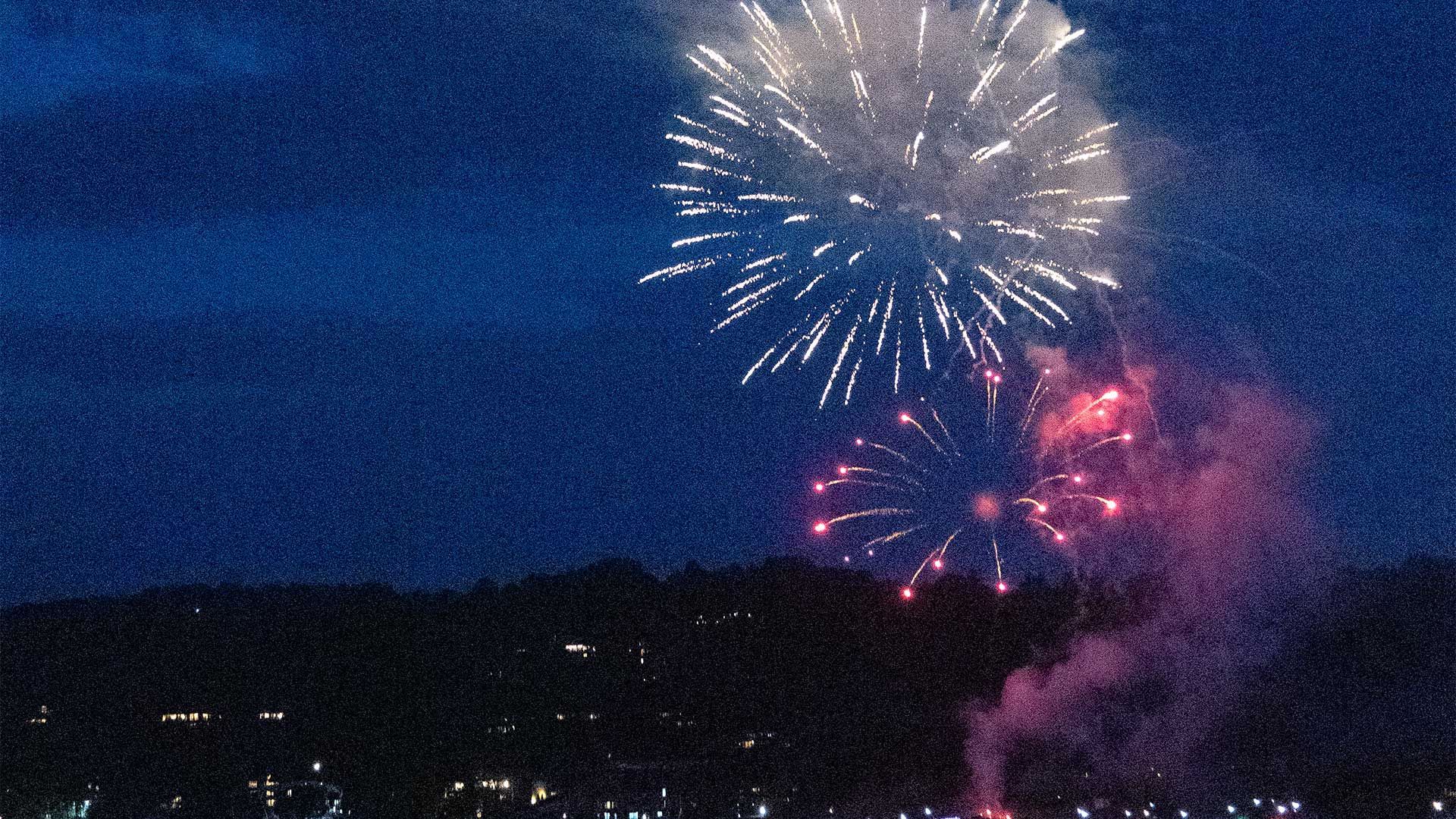
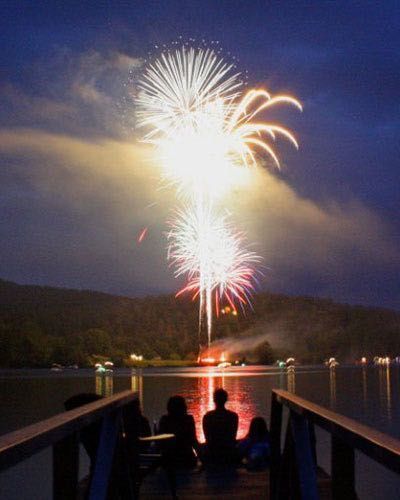
We will also introduce you to our “Giving Tuesday” campaign, which happens on December 1, 2026. We have two events which are funded solely outside of Membership contributions: our Doug Odell Scholarship Program and the annual Fireworks Over Lake Glenville, which will take place on Friday, July 2, 2027. We hope you choose to support both.
Finally, the dates for our 2027 events have been set! Locations, times, and registration information is still to come, but the calendar is available at the end of the newsletter and on our website.
Help Us Spread the Word!
Please feel free to share this newsletter with your friends, neighbors and family. We would love for them to know what we do and to contribute and/or join our FLG family.
Thank you for helping us preserve and protect this special place for future generations!
Sincerely,
David Feist, President (2026-2029)
Friends of Lake Glenville (FLG)
Water Quality @ FLG

Meet Byron Finley
Director of Water Quality
I grew up and worked in Atlanta, Georgia, but am now so grateful to call Lake Glenville home. My family loves the outdoors and we raised our youngest child here in this paradise. We enjoy tubing and fishing on the lake with our grandchildren. My wish is for Lake Glenville to be a safe, usable, and enjoyable place for the community, and my family for years to come.
I wanted to volunteer to help with water quality testing for FLG because of my college experience. I was a Biology major at Maryville College. My college thesis was on water quality and the environment. This is where I discovered my passion for the mountains, the environment, and the outdoors in general.
What is Water Quality?
Our Water Quality program is one of the most important elements of our mission. The program currently has three major parts:
- Stream or In-Flow Water Testing
- Lake Water Testing
- Lake Sedimentation Measurement
However, we have recently added a fourth element to our Water Quality program. You can read more about our new Stream Stewards initiative below.
FLG partners with Equinox Environmental out of Asheville to conduct and compile quarterly water quality reports. These reports are posted to our
Stream Stewards
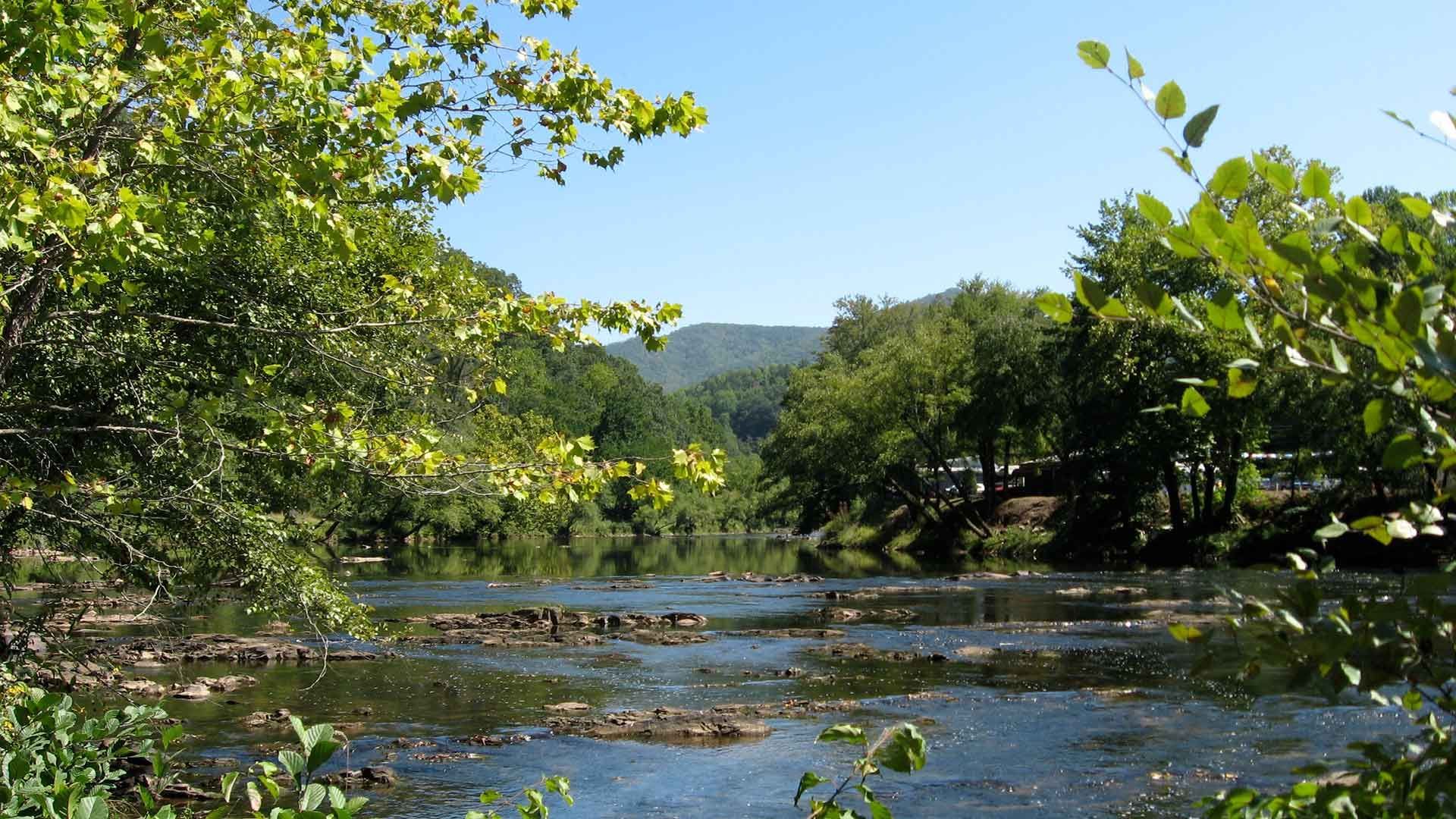
Friends of Lake Glenville would like to create a team of Stream Stewards for each Primary Stream flowing into the lake: Glenville, Hurricane, Norton, Pine, Mill, and Cedar creeks.
Our primary functions:
- Educate neighbors, landowners, lake users, and the public on the things that affect lake water and ecosystem quality.
- Walking the creek to identify sources of contamination, trash, etc.
- Working with the Director of Water Quality and Director of Watershed to work with our partners such as: Duke Energy, Equinox, NCDEQ, and Jackson County.
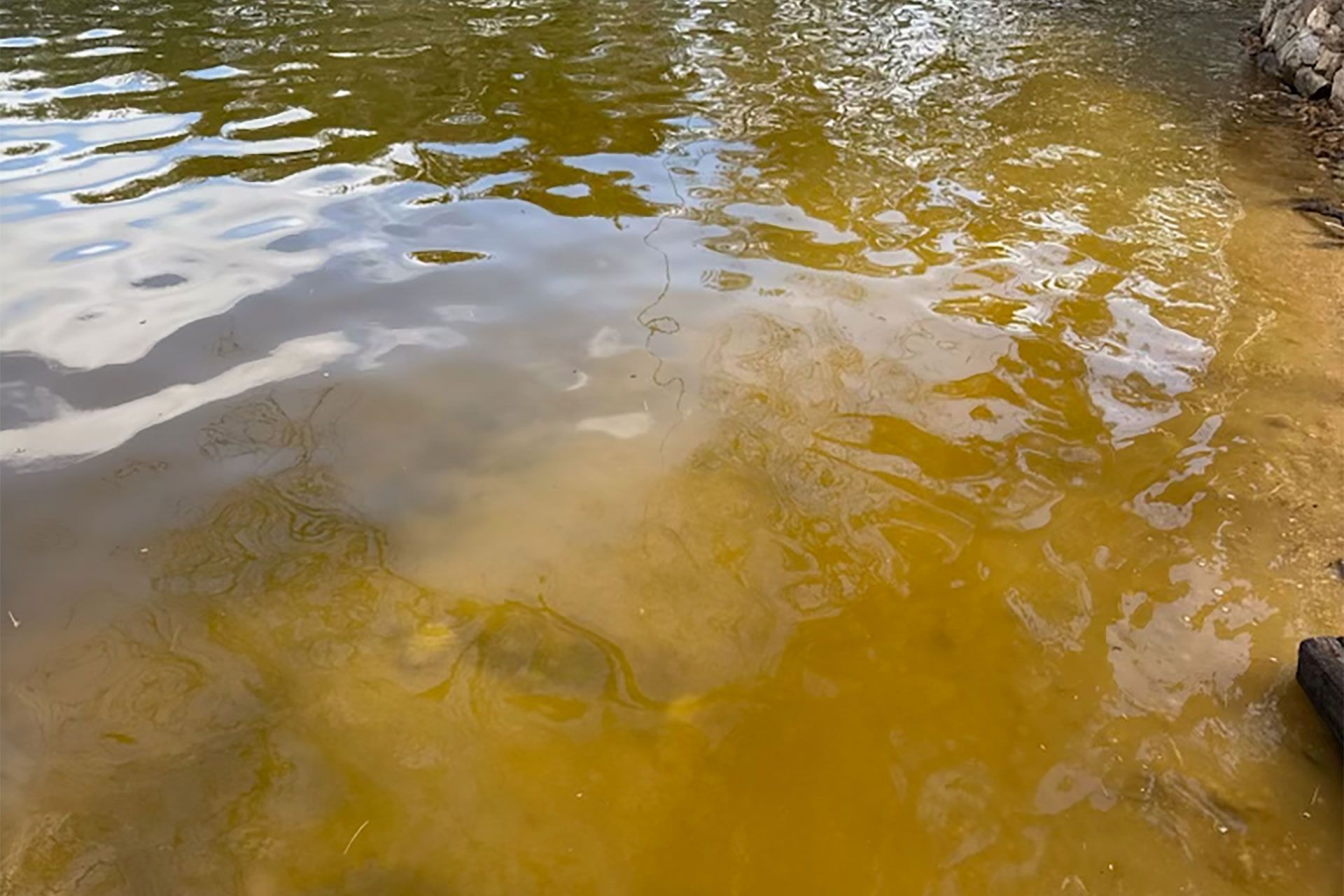
The approach is one of education and communication. We want our neighbors and guests to understand the things that affect the water quality of the streams and consequently Lake Glenville. The one concern most often mentioned is bacterial contamination. The cause can be a malfunctioning septic system, farm runoff from livestock, or a more local cause, such as fowl.
Some quick and easy tips:
- Don't feed the ducks and geese!
- Don't bring plants or fish from your tropical or coastal home to introduce into our mountain environment. Many species of plants / grasses wreak havoc on the ecosystem and fish habitat.
- Fertilizer and pesticides end up in runoff to the lake. They can have a detrimental chemical effect on humans; but, most often upset the delicate balance on what grows well, and is necessary in the environment. Use natural substances and remedies for those purposes.
There are many other aspects to water quality and those are described in detail in our most recent water quality report.
Thank you to those that have expressed your concerns and questions, and provided input for us to investigate problems, address issues, and communicate with our members and partners!
A big thank you to everyone that's already signed up to be a Stream Steward!
- Pine Creek: Alyson & Dennis Ginsburg
- Mill Creek: Brett Irwin
- Hurricane Creek: Gary Metal
- Norton Creek: Alissa Culbreth
- Cedar Creek: TBD
- Glenville Creek: Peter Kalivas
- At Large: Lorena Teal
JOIN OUR TEAM!
While we have some volunteers already, the area surrounding Lake Glenville stretches out quite far to each creek source. The more Stream Stewards we have, the more comprehensive our work will be.
Watershed Management

Meet George Sistrunk
Director of Watershed Management
I have been serving Friends of Lake Glenville as Director of Watershed Management for a little over two years now. During that time, I have seen firsthand how important FLG’s work protecting the lake is to all of us and future generations. For this quarterly newsletter, I wanted to give you a summary of some of the things I’ve been doing as Director of Watershed Management.
I grew up in Asheville and have lived in Charlotte since 1998, but I’ve been coming to Lake Glenville since I was a baby. My grandparents and parents built a cabin on the lake over fifty years ago, and I’ve been lucky to spend countless hours enjoying the lake with family. Working to preserve the lake for future generations is what drove me to seek out a position with FLG.
What is a Watershed?
In simplest terms, a watershed is the land area around a lake that drains water into the lake through streams, rivers, and groundwater. You can think of Lake Glenville as the bottom of a bowl, with the high points of the land around it being the rim of the bowl and everything down to the lake being part of the watershed.
For detailed maps and information regarding the watershed and its components, please take a look at “The Watershed” section of the Lake Glenville Watershed Management Plan below.
My Goals as Director
Here are the three main goals I have as Director, along with some comments about steps I’ve taken to fulfill those goals:
Creating/strengthening networks of stakeholders in Lake Glenville:
I have worked to create relationships with various groups that have an interest in the lake, such as Duke Energy, the North Carolina Wildlife Resources Commission, and the North Carolina Department of Environmental Quality, as well as residential groups and businesses around the lake. Relationships with those stakeholders can help support FLG’s mission through educational opportunities, prevention measures, and crisis responses.
Educating the public and preventing threats to the lake:
This encompasses things as simple as signage, pamphlets, and information posted on our website, but also includes more tangible prevention measures such as sampling from the lake and researching the potential installation of boat washes.
One of the potential threat areas that I am particularly concerned about is invasive species, specifically zebra mussels and hydrilla. Lake Glenville is home to native freshwater mussels that play an important role in the aquatic ecosystem. These animals spend much of their lives partially buried in the lake bottom, where they filter water as they feed on microscopic algae and organic particles. However, zebra mussels are an invasive species that harm native mussels and other aquatic life, reproduce quickly and in large numbers, and clump and damage docks, water infrastructure, and dam intakes.
Similarly, Lake Glenville is home to many native aquatic plants, such as elodea. Elodea is a submerged aquatic plant that provides habitat for fish and aquatic insects, produces oxygen in the water, stabilizes sediments, and supports a balanced aquatic ecosystem. Hydrilla, on the other hand, is an aggressive invasive aquatic plant. Once established, it can spread rapidly and form thick mats that block boat traffic, interfere with swimming and fishing, crowd out native aquatic vegetation, reduce water flow, and alter fish and wildlife habitat.
Both zebra mussels and hydrilla can survive quite some time in boat ballasts and wells, and on boat equipment and trailers. “Clean, Drain, Dry” should be the mantra for all boaters, as those steps can help prevent the spread of aquatic invasive species. If you think you’ve encountered an invasive species, please take these steps:
- Take several clear photographs.
- Record the location as accurately as possible.
- Do not transport the plant or mussel to another location.
- Clean, drain, and dry your boat and equipment before leaving the lake.
- Report your observations to FLG. My email address is watershed@friendsoflakeglenville.com.
Keep an eye out for some educational material regarding aquatic invasive species coming to the FLG website, as well as some pamphlets to be distributed in the area. As mentioned above, I have also been researching the potential installation of boat washes at the public boat ramps. More on that in a future newsletter, hopefully.
Crisis Management:
Thankfully, we’ve had little in the way of crises at the lake during my tenure. There have been a few issues that came up where I worked with other stakeholders such as Duke Energy (on signage asking people not to feed wildlife on the lake, which can lead to contamination (and likely did lead to the closing of the public beach last year) and the NC Department of Transportation and Duke Energy (on issues relating to erosion affecting Pine Lake Road and power lines on the lake). The stakeholder network that I mentioned in #1 above is critical to being able to manage crises when they arrive.
I also encourage you to spend some time reviewing the information in the Watershed Management Plan on FLG’s website. There is useful information about topics such as threats to water quality and best practices for property owners (residential and non-residential). There are also some simple steps that property owners can take to protect the lake at the link below.
Thanks to all of you for helping FLG keep Lake Glenville the beautiful place that it is! If you ever have any suggestions or concerns about watershed management for Lake Glenville that you’d like to share, please
email me.
Giving Tuesday
While you’re searching for the perfect gift for everyone on your list, we'd love to invite you to give a different kind of gift— the gift of supporting home-grown initiatives in our own backyard!
GivingTuesday — an international day of giving — is happening on Tuesday, December 1. This year, Friends of Lake Glenville is working to raise money for our two community-based initiatives:

The Doug Odell Scholarship Fund
Named for one of FLG's founding members, the annual Doug Odell Scholarships are awarded to graduates of Blue Ridge Early College and Summit Charter School, with the money going towards a 4-year college or university or a 2-year trade or technical program of their choosing.

Annual Fireworks Over Lake Glenville
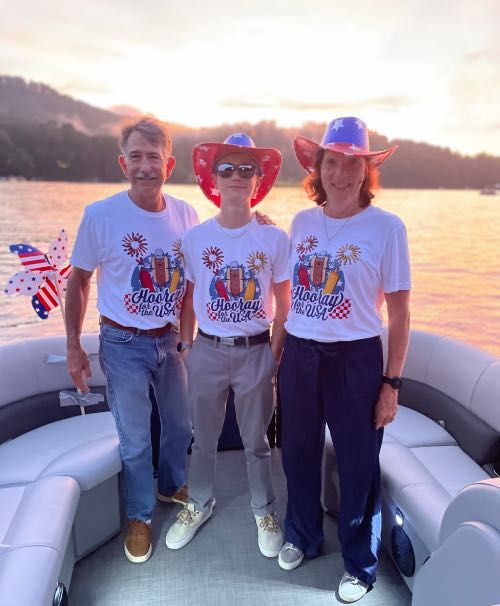
Our annual fireworks display has humble beginnings. With the support of "The Glenville Navy," a local resident purchased a modest supply of fireworks and launched them from a barge in the lake as people watched from their boats or on shore. Thus began the beloved tradition of celebrating our nation's birthday as a community!
Save the Dates!
The dates for our 2027 events calendar have been set! Keep an eye on our website and your inboxes for more information on times, locations, and how to register.
Annual Lake Glenville Clean-Up (Public Event)
Saturday, June 5, 2027
2027 Season Opener (Members & Their Guests)
Thursday, June 17, 2027
29th Annual Fireworks Over Lake Glenville (Public Event)
Friday, July 2, 2027
Annual FLG Members Meeting (Members Only)
Saturday, July 17, 2027
2027 Season Closer (Members & Their Guests)
Tuesday, August 31, 2027